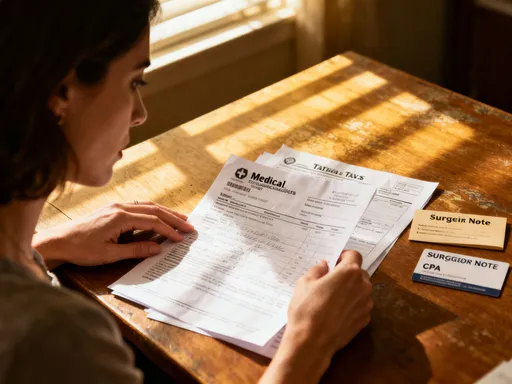
The Right Time to Fund Secondary Education — A Smarter Financial Move Than You Think
Starting to plan for secondary education costs early can make all the difference. I learned this the hard way—waiting too long and scrambling to catch up. Timing isn’t just about when to save, but when to act, adjust, and invest wisely. This guide shares practical insights on aligning your financial moves with key moments in your child’s academic journey. The best strategies aren’t about big money—they’re about smart timing. When families begin preparing early, they gain flexibility, reduce financial pressure, and create a stronger foundation for their children’s future. Waiting even a few years can significantly limit options, increase borrowing needs, and strain household budgets. This article will walk you through the financial milestones, decision points, and timing strategies that matter most—so you can act with confidence, not crisis.
The Hidden Cost of Waiting: Why Timing Matters in Education Planning
One of the most common financial missteps families make is underestimating how quickly education expenses accumulate. Secondary school is not just a step up academically—it’s a major shift in financial responsibility. While primary education may be largely covered by public systems or involve minimal fees, secondary education often introduces new layers of cost. These include school supplies, uniforms, technology needs like laptops or tablets, transportation, exam fees, and participation in extracurricular activities such as sports, music, or science clubs. Over time, these expenses can add up to thousands of dollars, even in systems where tuition is subsidized.
The true cost of waiting lies not just in the dollar amount, but in the lost opportunity to grow savings gradually. Consider two families: one that begins setting aside $100 per month five years before secondary school starts, and another that waits until the final year. The early saver benefits from time and compounding, potentially accumulating over $6,500 with modest growth, depending on the vehicle used. The late starter, however, must suddenly find $6,000 in a single year—an overwhelming burden that often leads to debt or sacrifices in other areas of the household budget. This gap illustrates why timing is not a minor detail but a central component of financial readiness.
Another hidden cost of delay is stress. Families who wait often face decision-making under pressure—choosing between a quality education and affordability, or relying on high-interest loans to cover unexpected shortfalls. This reactive approach can compromise long-term financial health, diverting funds from retirement savings, emergency reserves, or home maintenance. In contrast, proactive planning allows for thoughtful choices, such as selecting schools that align with both educational goals and financial capacity, or exploring scholarship and grant opportunities well in advance. When families plan early, they shift from survival mode to strategy mode.
Many parents also operate under the misconception that school fees are the only major expense. While tuition or administrative fees may be visible, they represent only part of the total cost. Additional academic support, such as tutoring or test preparation, may become necessary, especially as students approach critical examination years. Technology requirements are another growing expense—many schools now expect students to have personal devices, reliable internet access, and digital learning tools. These are not luxuries but necessities, and they must be factored into financial planning. By recognizing the full scope of costs early, families can avoid the shock of last-minute bills and maintain control over their finances.
Mapping the Timeline: Key Financial Milestones from Primary to Secondary School
Creating a clear financial timeline is one of the most effective ways to prepare for secondary education. This roadmap doesn’t require advanced financial knowledge—just consistency and awareness of key academic transitions. The process can begin as early as three to five years before enrollment, giving families time to adjust habits, open dedicated accounts, and build momentum. During this early phase, the focus should be on gathering information: understanding the typical costs associated with secondary education in your region, identifying potential schools, and estimating fees for supplies, transportation, and activities. This research phase lays the groundwork for realistic goal-setting.
One to two years before the transition, families should shift from planning to action. This is the time to establish a dedicated savings or investment account specifically for education expenses. Automating monthly contributions—even small ones—helps build discipline and ensures progress. It’s also a critical window to explore financial aid options, such as need-based grants, merit scholarships, or school-specific assistance programs. Some institutions offer early application deadlines for support, so starting early increases the chances of qualifying. Additionally, this period allows families to adjust their household budget, identifying areas where spending can be reduced to free up funds for education savings.
The year of enrollment brings its own set of financial tasks. Families should confirm all expected costs with the school, including registration fees, material lists, and transportation schedules. This is also the time to review available funds and determine whether any additional resources are needed. If savings have fallen short, exploring low-interest payment plans offered by schools—or short-term, fixed-rate loans—can be more manageable than last-minute credit card use. The goal is to enter the school year with a clear picture of finances, reducing stress for both parents and students.
Throughout this timeline, communication is key. Parents should involve their children in age-appropriate discussions about education and money, helping them understand the value of planning and responsibility. This doesn’t mean burdening them with financial anxiety, but rather teaching them that opportunities come with preparation. When children see their parents setting goals and working toward them, they learn financial discipline by example. A well-mapped timeline doesn’t just protect the family budget—it also models long-term thinking and responsible decision-making for the next generation.
When to Start Saving: Finding Your Personal “Money Window”
There is no single “right” age or moment to begin saving for secondary education—what matters most is finding your personal financial window. This window is shaped by a combination of income stability, family size, living expenses, and educational aspirations. For some families, starting when a child enters primary school may be feasible. For others, especially those managing debt or irregular income, the ideal time may come later—after a promotion, a reduction in household expenses, or the payoff of high-interest loans. The key is not perfection, but progress.
Research consistently shows that regular, modest contributions made over time are more effective than large, last-minute deposits. A family that saves $75 per month for six years at a modest annual return will accumulate significantly more than one that waits and tries to save $450 per month in the final year. The power of consistency lies in its sustainability—small amounts are easier to manage within a tight budget and less likely to be abandoned during financial setbacks. Even if contributions vary from month to month, the habit of saving builds resilience and keeps the goal visible.
One effective strategy is to align savings with income changes. For example, when a parent receives a raise, a portion of the additional income can be directed toward education savings before the household adjusts to a higher spending level. Similarly, periods of lower expenses—such as when children outgrow expensive baby items or when a car loan is paid off—create natural opportunities to redirect funds. These moments represent financial inflection points, and using them wisely can accelerate progress without straining the budget.
It’s also important to recognize that starting late is not the same as failing. Many families begin saving in the final three to four years before secondary school, and with disciplined planning, they can still make meaningful progress. The difference lies in realism: late starters must set clear priorities, possibly adjusting expectations about school choices or extracurricular involvement. They may also need to combine saving with other strategies, such as applying for financial aid or encouraging students to contribute through part-time work in later years. The message is clear: while starting early is ideal, beginning now is always better than waiting for the perfect moment that may never come.
Investing vs. Saving: Choosing the Right Tool at the Right Time
When it comes to funding education, not all financial tools are created equal. The choice between saving and investing depends largely on timing, risk tolerance, and access needs. For families with more than five years before enrollment, introducing low-to-moderate risk investment options can enhance growth potential without exposing funds to excessive volatility. In contrast, those with less than two years may be better served by prioritizing safety and liquidity, ensuring that money is available when needed.
Savings accounts are a common starting point, offering security and easy access. They are ideal for short-term goals or for holding emergency portions of education funds. However, traditional savings accounts often yield returns that barely keep pace with inflation, meaning the purchasing power of saved money may decline over time. For longer timelines, this erosion can be significant. A better alternative for medium-term goals may be high-yield savings accounts, certificates of deposit, or government-backed education savings plans that offer slightly higher returns with minimal risk.
For families with a longer horizon, custodial investment accounts or structured education plans can provide meaningful growth. These vehicles allow funds to be invested in diversified portfolios, such as index funds or bond mixes, which historically have delivered stronger returns over five- to ten-year periods. The key is to avoid high-risk assets and maintain a gradual shift toward safer holdings as the enrollment date approaches—a strategy known as a “glide path.” This approach balances growth potential with capital preservation, aligning risk with timing.
Another consideration is tax efficiency. Some education-focused accounts offer tax advantages, such as tax-free growth or withdrawals for qualified expenses. While specific programs vary by country, the principle remains the same: using tax-advantaged tools can increase the effective value of contributions. Families should consult a financial advisor to understand the options available in their region, ensuring compliance and maximizing benefits. The goal is not to chase high returns, but to make informed choices that protect and grow funds in line with the child’s academic timeline.
Adjusting for Life Changes: Staying on Track When Plans Shift
No financial plan is immune to life’s uncertainties. Job losses, medical expenses, family emergencies, or economic downturns can disrupt even the most carefully laid strategies. The mark of a resilient financial plan is not its ability to avoid setbacks, but its capacity to adapt. Families who remain flexible and proactive are more likely to stay on track, even when circumstances change.
One practical response to financial strain is to temporarily pause contributions without abandoning the goal. A short break—three to six months—can provide breathing room during a crisis, especially if paired with a revised budget that prioritizes essentials. The key is to set a clear restart date and communicate the adjustment as a temporary measure, not a permanent surrender. This approach maintains momentum and prevents discouragement.
Another strategy is to rebalance the household budget to identify new savings opportunities. This might include reducing discretionary spending, refinancing high-interest debt, or consolidating subscriptions. Even small adjustments—such as switching to more affordable grocery options or using public transportation—can free up meaningful amounts over time. These changes don’t have to be permanent; they can serve as temporary boosts to education funding during critical periods.
It’s also important to re-evaluate goals realistically. If a major setback occurs, families may need to adjust their expectations—perhaps choosing a school with lower fees, delaying certain extracurriculars, or increasing reliance on scholarships. These decisions are not failures, but signs of responsible stewardship. The goal is not perfection, but progress. By maintaining open communication and focusing on what is可控, families can navigate challenges without losing sight of the long-term objective.
Avoiding Common Timing Traps That Drain Resources
Many families intend to save but fall into timing traps that undermine their efforts. One of the most common is waiting for “extra money” that never arrives. This mindset assumes that saving should only happen after all other expenses are covered—but in reality, income often expands to fill available spending space. Without intentional allocation, there may never be surplus funds. The solution is to treat education savings as a non-negotiable expense, like rent or utilities, and pay it first.
Another trap is over-relying on future income or bonuses. While raises and windfalls can boost savings, depending on them is risky. Bonuses may be smaller than expected, or job changes may delay income growth. A smarter approach is to save based on current income and treat unexpected gains as opportunities to accelerate progress, not foundational support.
Some families delay action by believing they need large sums to start. In truth, even $25 or $50 per month can make a difference over time. The act of beginning builds confidence and establishes a financial rhythm. Procrastination, on the other hand, increases the likelihood of resorting to high-cost borrowing later. Personal loans, credit cards, or payday advances may seem like quick fixes, but their high interest rates can turn manageable expenses into long-term debt.
Avoiding these traps requires awareness and discipline. Setting automatic transfers, using calendar reminders, and reviewing progress quarterly can help maintain focus. When families recognize these patterns early, they can replace reactive habits with proactive ones—turning intention into action and preserving both financial stability and peace of mind.
Building a Sustainable System: Beyond One-Time Planning
Funding secondary education should not be a one-time event, but part of an ongoing financial rhythm. True readiness comes from integrating education goals into the broader household budget, reviewing progress regularly, and adjusting as needed. An annual review—perhaps at the start of each school year—allows families to assess savings growth, update cost estimates, and celebrate milestones. Recognizing progress, no matter how small, reinforces motivation and strengthens commitment.
This sustainable approach also means connecting education funding to other financial priorities. Emergency funds, retirement savings, and home maintenance are not competing goals—they are complementary parts of a healthy financial life. When families balance these areas, they create resilience that supports long-term stability. For example, avoiding debt for education protects credit scores and frees up future income for other goals.
Finally, the most powerful tool in financial planning is intention. It’s not about having the largest account balance, but about making consistent, thoughtful choices. When parents model this behavior, they pass on more than money—they teach values of responsibility, patience, and foresight. Funding secondary education becomes not just a financial achievement, but a legacy of wisdom. With the right timing, discipline, and perspective, every family can build a future where education is not a burden, but a shared triumph.