How I Stay Calm When Markets Go Wild – Real Risk Management
Markets change fast, and panic hits harder than losses. I’ve been there—watching my portfolio dip, wondering if I did everything wrong. But over time, I learned that smart investing isn’t about chasing gains; it’s about managing risk. This isn’t theory—it’s what I actually do when volatility strikes. Let me walk you through how real market analysis shapes my decisions and keeps my emotions in check. When numbers fall, fear rises. But the real danger isn’t the drop—it’s reacting without a plan. That’s where I started, too, and it cost me more than money. It cost me confidence. Now, I focus on what lasts: discipline, preparation, and a strategy built not for calm days, but for storms. This is how I protect my financial future when everything feels uncertain.
The First Shock: When My Portfolio Dropped Without Warning
The first real test came during a global market correction. I had built a portfolio over two years, carefully selecting stocks with strong earnings and solid reputations. I believed I was diversified. Then, within three weeks, nearly 25% of my portfolio value disappeared. It wasn’t a single company failing—it was broad, across sectors, triggered by rising interest rates and shifting investor sentiment. I remember staring at the screen, not just seeing numbers, but imagining the vacation I had planned, the home repair I’d budgeted for, the extra saved for my child’s education—all slipping away. That’s when I realized: returns only matter if you keep them. And keeping them requires more than optimism—it requires protection.
What I experienced wasn’t unique, but it was personal. I had confused activity with strategy. I had bought different stocks, yes, but most were tied to the same economic conditions—consumer spending, low interest rates, steady growth. When those assumptions cracked, my so-called safety net tore. This moment taught me that risk isn’t just about losing money; it’s about losing control. Emotional reactions—panic selling, doubling down out of pride, freezing in indecision—only make losses worse. I began to understand that risk management isn’t a side task; it’s the foundation of investing. Without it, every gain is temporary, every decision fragile.
From that point on, I shifted my mindset. Instead of asking, “How much can I make?” I started asking, “How much can I afford to lose?” This simple question changed everything. It forced me to assess my true risk tolerance—not what a quiz said, but what I could live with when the market turned. I learned to define my personal risk boundaries: a maximum drawdown I could accept, a timeline for recovery, and emotional limits that would trigger a review. This wasn’t about avoiding risk entirely—no investment grows without some risk—but about knowing my limits and building a plan that respected them. The goal was no longer perfection, but resilience.
Why Market Analysis Is My Early Warning System
After my portfolio loss, I knew I couldn’t afford to react after the fact. I needed a way to see trouble coming. That’s when I began treating market analysis not as a tool for picking winners, but as an early warning system. I started tracking macroeconomic indicators like inflation trends, bond yields, and employment data—not to predict the future, but to understand the environment my investments were operating in. When interest rates began rising steadily, for example, I didn’t wait for stock prices to fall. I reviewed my holdings to see which ones were most sensitive to borrowing costs. This proactive approach helped me reduce exposure before the full impact hit.
I also began paying attention to market sentiment. When headlines turn overwhelmingly positive or negative, it’s often a sign of extremes. I noticed that during periods of excessive optimism, even weak companies saw their stock prices soar. That’s when I started asking, “Is this sustainable?” I used tools like the put-call ratio and investor surveys to gauge fear and greed levels. When sentiment became too one-sided, I tightened my risk controls. I didn’t sell everything, but I reduced position sizes and increased cash holdings. This wasn’t market timing—it was risk adjustment based on changing conditions.
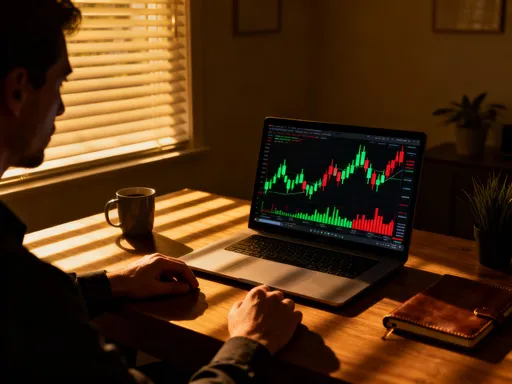
Technical analysis became part of my routine, too, but not in the way I once thought. I don’t use it to find perfect entry points. Instead, I look for shifts in momentum and volume that suggest underlying changes in investor behavior. For example, if a stock I own starts declining on higher-than-normal volume, it tells me selling pressure is building. That doesn’t mean I sell immediately, but it triggers a deeper review. Is the company’s fundamentals still sound? Has the broader sector weakened? These questions help me decide whether the move is temporary or a sign of deeper trouble. The key is not reacting to every blip, but recognizing patterns that signal real shifts.
What I’ve learned is that market analysis works best when it’s consistent and structured. I set aside time each week to review data, update charts, and assess global developments. This routine keeps me informed without overwhelming me. I avoid the noise—constant news alerts, social media speculation, and hot tips—because they breed emotion, not insight. Instead, I focus on signals that have proven reliable over time. The goal isn’t to be right all the time, but to be prepared. When volatility hits, I’m not starting from zero. I’ve already done the work, so I can act calmly, not desperately.
Diversification That Actually Works (Not Just Theory)
Before my wake-up call, I thought I was diversified. I owned 20 different stocks across tech, healthcare, and consumer goods. But when the market fell, nearly all of them dropped together. That’s when I realized: owning many stocks isn’t the same as true diversification. Most of my holdings were growth-oriented and sensitive to interest rates. They moved in lockstep because they relied on the same economic conditions. Real diversification means owning assets that respond differently to the same events. That’s what provides actual protection.
I began rebuilding my portfolio with this principle in mind. I added assets that historically had low correlation to stocks—such as long-term government bonds, which often rise when stocks fall due to flight-to-safety behavior. I also explored real estate investment trusts (REITs), which generate income from property and can perform well even when equities struggle. I didn’t eliminate stocks, but I balanced them with other asset classes that behaved differently under stress. This wasn’t about chasing high returns in every category, but about creating stability. When one part of my portfolio declined, another might hold steady or even gain, reducing the overall impact.
I also diversified within asset classes. Instead of loading up on U.S. large-cap stocks, I added international exposure, including emerging markets and developed economies outside North America. These markets don’t always move with the U.S., especially when currency shifts or regional factors come into play. I used low-cost index funds to gain broad exposure without betting on individual countries. This approach reduced my reliance on any single economy and gave me access to global growth opportunities. Over time, this geographic diversification smoothed out my returns and lowered volatility.
Another key change was focusing on diversification by purpose. I now categorize my investments based on their role: growth, income, and protection. Growth assets—like stocks and certain ETFs—are meant to build wealth over time. Income assets—such as dividend-paying stocks and bonds—provide regular cash flow. Protection assets—like gold or short-term treasuries—act as shock absorbers during downturns. This framework helps me maintain balance. Even if growth slows, I still have income and safety. This structure doesn’t eliminate risk, but it ensures I’m not putting all my hopes in one basket. Real diversification isn’t about variety—it’s about function.
Position Sizing: The Hidden Key to Staying in the Game
One of the most powerful lessons I’ve learned is that position sizing matters more than stock picking. Early on, I would go all-in on ideas I believed in, thinking conviction meant commitment. But when one of those bets went wrong, it hurt more than expected. I realized that even the best analysis can be wrong, and no single investment should have the power to derail my entire plan. That’s when I adopted strict position sizing rules. Now, no single holding can exceed 5% of my total portfolio. For higher-volatility or less certain investments, I limit exposure to 2% or 3%. This simple rule keeps potential losses contained and prevents emotional overreactions.
How do I determine the right size? I consider two factors: conviction and volatility. Conviction is based on my research—how strong the fundamentals are, how clear the competitive advantage, and how aligned management is with shareholders. Volatility is measured by historical price swings and sector risk. A stable utility stock might warrant a larger position than a speculative tech startup, even if I’m excited about the latter. I also adjust sizes based on market conditions. In uncertain times, I reduce all positions slightly to lower overall risk. In calmer periods, I may increase them within my limits. This dynamic approach keeps me flexible without sacrificing discipline.
The benefit of proper position sizing is psychological as much as financial. When a stock drops 20%, it stings less if it’s only 3% of my portfolio. I don’t feel the urge to panic sell or double down to recover. I can review the situation objectively: Has the thesis changed? Is this a temporary setback or a fundamental flaw? Because the financial impact is limited, I can make rational decisions. Over time, this has saved me from costly mistakes. I’ve seen investors lose years of gains because one bad bet went unchecked. Position sizing is my insurance against that.
It also allows me to take more opportunities. Because I’m not overexposed to any single idea, I can add new positions without overhauling my portfolio. I can experiment with emerging trends, test new sectors, and learn without risking too much. This keeps my strategy evolving. Most importantly, position sizing ensures I stay in the game. Investing is a long journey, and the biggest risk isn’t losing on one trade—it’s being forced out of the market entirely. By controlling my exposure, I protect my ability to keep investing, learning, and growing.
Stop-Loss Rules That Don’t Backfire
Stop-loss orders are often promoted as a simple solution: set a price, and if it’s hit, you’re out. But I learned the hard way that rigid rules can backfire. I once placed a 10% stop-loss on a solid company. The stock dipped due to broad market fear, triggered my sale, and then rebounded 15% in the next two weeks. I was out, locked in a loss, while the fundamentals hadn’t changed. That experience taught me that mechanical exits, without context, can do more harm than good. Now, I use stop-losses differently—not as automatic triggers, but as alerts that prompt a review.
My approach combines technical levels with fundamental reasoning. I identify key support zones—price levels where a stock has historically found buying interest. If the price approaches one of these levels, I prepare to act. But I don’t sell just because it’s touched. I ask: What’s causing the drop? Is it company-specific, like a missed earnings report, or broader market fear? If it’s the latter, and the business is still strong, I may hold or even buy more. If it’s a fundamental breakdown—like rising debt, declining sales, or management issues—I reassess my thesis. The stop-loss level is a signal to think, not a command to obey.
I also use trailing stops for long-term holdings. These adjust upward as the stock price rises, locking in gains while allowing room for normal volatility. For example, I might set a trailing stop at 15% below the highest price. If the stock climbs, the floor moves up. If it drops sharply, I’m protected. But I still review the reason for the decline. Sometimes, a pullback is healthy—a chance to rebalance or add at a better price. The trailing stop prevents catastrophic losses, but I retain control over the decision.
This flexible method reduces whipsaw—the frustrating cycle of selling low and buying high. It keeps me aligned with my long-term goals instead of being shaken out by short-term noise. I’ve found that the best exits aren’t based on price alone, but on a clear change in the investment case. By treating stop-losses as part of a broader review process, I avoid emotional decisions and stay focused on what matters: the health of the business and my original reasons for owning it.
Cash as a Strategy, Not a Failure
For years, I viewed cash as dead weight—a sign of inaction or fear. I felt pressure to be “fully invested,” as if holding money was wasting opportunity. But after seeing how quickly markets can turn, I changed my view. Now, I see cash as one of my most powerful tools. It’s not idle—it’s optionality. It gives me the freedom to act when others are forced to sell. During the last major downturn, while many investors were scrambling to raise funds, I had cash ready to deploy. I bought high-quality assets at discounted prices, positions that have since recovered and grown. That wouldn’t have been possible if I’d been fully invested.
I now maintain a strategic cash reserve—typically 5% to 10% of my portfolio, depending on market conditions. In calm times, I may reduce it slightly. When valuations are high or uncertainty rises, I increase it. This isn’t about timing the market; it’s about being prepared. Cash gives me breathing room. If my job situation changes or an unexpected expense arises, I don’t have to sell investments at a loss. It also allows me to take advantage of opportunities without derailing my plan. When a great company faces temporary trouble, I can act quickly, not after months of saving up.
The psychological benefit is just as important. Knowing I have cash reduces anxiety. I don’t feel the need to chase every rally or fear every dip. I can afford to wait. This patience often leads to better decisions. I’ve avoided overpriced IPOs and speculative bubbles because I wasn’t desperate to put money to work. Cash gives me discipline. It reminds me that not every moment requires action. Sometimes, the best move is to do nothing and stay ready.
Some worry that cash loses value to inflation. That’s true over the long term, which is why I don’t hold it indefinitely. But short-term cash holdings—especially in liquid, low-risk instruments like money market funds—preserve capital when it’s most needed. I see it as a dynamic part of my portfolio, not a permanent holding. By treating cash as a strategic asset, I’ve gained confidence, flexibility, and peace of mind. It’s not a failure to hold cash—it’s a sign of wisdom.
Building a Routine That Protects My Future Self
The final piece of my risk management strategy is consistency. I’ve learned that no single tactic works in isolation. What makes the difference is a regular, disciplined routine. Every Sunday, I spend two hours reviewing my portfolio. I check performance, update my analysis, and scan for new risks. I review each holding: Has the story changed? Are there new competitors? Has management made decisions that affect long-term value? I also reassess my exit plans and stop-loss levels, adjusting them based on current conditions. This weekly ritual keeps me proactive, not reactive.
I also conduct quarterly stress tests. I imagine different scenarios—rising inflation, a recession, a sector collapse—and ask how my portfolio would perform. This isn’t meant to scare me, but to prepare me. If I find a major vulnerability, I adjust. Maybe I reduce exposure to cyclical stocks or increase cash. These exercises build confidence because I’ve already thought through tough situations. When crisis hits, I’m not inventing a plan—I’m following one I’ve already made.
Automation plays a role, too. I set calendar alerts for earnings reports, dividend payments, and review dates. I use portfolio tracking tools that flag unusual activity, like a sudden drop in a holding. These systems reduce the chance of oversight and free me from constant monitoring. I don’t rely on willpower—I build habits and safeguards. This approach protects my future self from the mistakes I might make under stress.
Over time, this routine has become second nature. It’s not about being perfect; it’s about being prepared. I’ve accepted that I can’t control the market, but I can control my response. By sticking to a process, I’ve reduced fear, improved decisions, and preserved capital. Sustainable risk management isn’t a one-time fix. It’s a practice—a daily commitment to discipline, clarity, and long-term thinking. That’s how I stay calm when markets go wild. Not because I know what will happen, but because I know what to do.