How I Turned Debt into a Wealth-Building Game with One Mindset Shift
What if paying off debt wasn’t just about survival—but the first real step toward building wealth? I used to see debt as a burden, something to survive, not leverage. Then I changed my mindset. Instead of just cutting costs, I started thinking like an investor. Slowly, every repayment became an investment in my future self. This isn’t about get-rich-quick schemes—it’s about discipline, strategy, and seeing money differently. Here’s how I made the shift, and how you can too.
The Moment Everything Changed: From Debt Panic to Financial Clarity
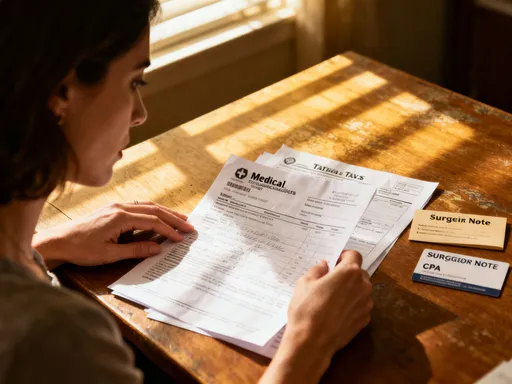
There was a time when my mornings began not with coffee, but with dread. I’d wake up, reach for my phone, and immediately check my account balances—each number a quiet accusation. Credit card debt, student loans, a car payment I could barely afford—it all added up to a feeling of being trapped. I tried every quick fix: budgeting apps that promised control, side gigs that drained my energy, even skipping meals to save a few dollars. But nothing lasted. The cycle repeated. The stress grew. I felt like I was running on a financial treadmill with no off switch.
Then one evening, after yet another argument about money with my partner, I sat at the kitchen table and asked myself a simple question: What if I stopped seeing debt as a personal failure and started treating it like a financial reset? That moment was the beginning of a transformation. Instead of shame, I felt curiosity. Instead of helplessness, I felt the first flicker of control. I realized that my relationship with money wasn’t broken—it just needed a new framework. I began to track every dollar not as a source of guilt, but as data. I reviewed my cash flow the way an investor might analyze a company’s balance sheet: with detachment, clarity, and purpose.
This shift didn’t erase my debt overnight, but it changed how I approached it. I stopped focusing solely on what I couldn’t do and started asking what I could build. I began to see my financial situation not as a reflection of my worth, but as a system that could be redesigned. That clarity was powerful. It allowed me to move from emotional reactions to strategic decisions. I stopped making impulsive payments or skipping essentials to prove a point. Instead, I created a plan grounded in reality—one that accounted for my income, my obligations, and my long-term goals. The debt was still there, but now it had a purpose: to teach me how to manage money with intention.
This mindset shift was the foundation of everything that followed. It taught me that financial health isn’t about perfection. It’s about progress, consistency, and the willingness to learn. By reframing debt not as an enemy but as a teacher, I unlocked a new level of financial awareness. I wasn’t just trying to survive anymore. I was learning how to thrive.
Why Debt Repayment Is the First Investment You’ll Ever Make
Most people think of investing as buying stocks, real estate, or mutual funds. They imagine portfolios growing silently in the background while they go about their lives. But there’s one investment that comes before all others—one that offers a guaranteed return with zero market risk. That investment is paying off high-interest debt. When you eliminate a credit card balance charging 18% interest, you’re effectively earning an 18% return on that money. No stock, bond, or savings account can reliably promise that kind of yield, especially after taxes and inflation.
Yet this truth is often overlooked because it doesn’t feel exciting. There’s no ticker symbol, no quarterly report, no app to track your gains. But make no mistake: every dollar you use to pay down debt is a dollar that stops losing value. It’s like plugging a leak in a boat before setting sail. You wouldn’t invest in upgrades while water pours in, and you shouldn’t chase returns while debt drains your resources. Clearing high-interest liabilities isn’t the opposite of investing—it’s the prerequisite. It’s the financial equivalent of laying bedrock before building a house. Without that foundation, everything else is unstable.
Consider this: if you have $10,000 in credit card debt at 18% interest, that debt costs you $1,800 per year just to maintain. By paying it off, you free up that $1,800—money that can now be redirected toward savings, investments, or personal goals. That’s not just debt elimination; that’s income creation. And because the return is guaranteed, it’s one of the safest financial moves you can make. Unlike the stock market, where outcomes are uncertain, debt repayment offers a clear, measurable benefit: more control over your money and more freedom in your life.
This perspective changes everything. It transforms repayment from a chore into a powerful act of self-investment. You’re not just reducing a number—you’re increasing your financial capacity. You’re buying back your future. And once you internalize that truth, the motivation shifts. You’re no longer trying to survive. You’re building something solid, one payment at a time.
Building a System, Not Just a Budget
I used to treat budgeting like a diet—something temporary, restrictive, and destined to fail. I’d start each month with good intentions, track every expense for a week, then fall off track when life got busy. The problem wasn’t my willpower. It was the system. A budget that relies on daily discipline is fragile. It breaks the moment you’re tired, distracted, or overwhelmed. What I needed wasn’t more motivation—it was a structure that worked whether I felt like it or not.
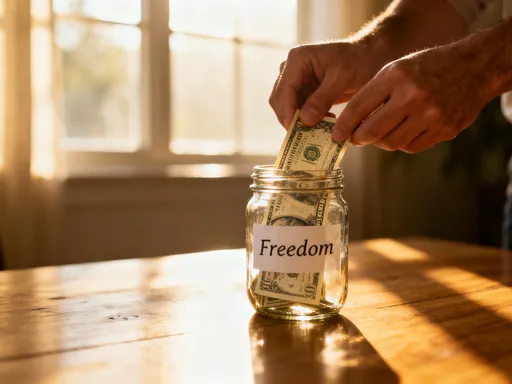
So I stopped trying to budget and started building a system. The difference is subtle but profound. A budget tells you what to do. A system makes it happen automatically. I opened three separate bank accounts: one for essential expenses like rent and groceries, one dedicated solely to debt repayment, and a third for future growth—what I call my “opportunity fund.” Each time I got paid, money flowed into these accounts based on a fixed percentage. No decisions required. No second-guessing. The debt payment went in first, just like a utility bill. It wasn’t optional. It was automatic.
This simple change removed the emotional weight of money management. I wasn’t debating whether I “deserved” to eat out or if I could afford a small luxury. I was following a process. The system handled the hard part. Over time, this consistency built momentum. I stopped seeing debt repayment as a sacrifice and started seeing it as a habit—like brushing my teeth or locking the door at night. It became part of my routine, not a test of character.
The key to this system was timing and automation. I scheduled transfers to coincide with my payday, so the money moved before I had a chance to spend it. I also set up alerts to monitor progress, not as a source of stress, but as a way to stay connected to my goals. Behavioral science shows that people are more likely to stick with a plan when they see evidence of progress. Each small win—like watching the debt balance drop—reinforced the behavior. Over time, the system became self-sustaining. I wasn’t fighting my instincts. I was designing around them.
The Investor’s Lens: Seeing Value in Every Payment
One of the most powerful shifts in my journey was learning to see each debt payment as an asset purchase. I wasn’t just sending money to a faceless bank. I was buying back my time, my options, and my peace of mind. Every payment reduced the amount of future income that would be claimed by interest. That’s real value. It’s not as tangible as a new car or a vacation, but it’s far more lasting. I began to track my progress not just in dollars owed, but in financial freedom gained.
I started using a simple spreadsheet to calculate my “debt equity”—the portion of my future income that was no longer pledged to lenders. Each month, as the number grew, I felt a quiet sense of accomplishment. I was building something invisible but essential: financial self-ownership. This mindset helped me stay motivated during months when progress felt slow. Instead of focusing on how much I still owed, I focused on how much I had reclaimed. It was like watching a garden grow—imperceptible day to day, but undeniable over time.
This investor’s lens also helped me make smarter decisions. I began to evaluate every expense in terms of opportunity cost. For example, spending $200 on a weekend getaway meant delaying my debt freedom by a certain number of days. That didn’t mean I never treated myself—but it meant I did so with awareness. I became more intentional. I also started measuring the compound effect of my payments. Just as compound interest can erode wealth when you’re in debt, consistent repayment can accelerate freedom. The earlier you start, the greater the long-term benefit. This isn’t theoretical. It’s mathematical.
Adopting this perspective didn’t make me rigid or joyless. On the contrary, it gave me more freedom. Because I was in control, I could make choices without fear. I wasn’t avoiding spending—I was choosing it deliberately. And that made all the difference. I wasn’t just paying off debt. I was becoming financially self-aware.
Risk Control: Avoiding the Traps That Keep People Stuck
I learned the hard way that speed without safety is dangerous. After six months of disciplined repayment, I felt proud. I’d cut up my credit cards, stuck to my system, and watched my balances drop. Then my car broke down. The repair cost nearly wiped out my progress. I had to use a credit card to cover it, and the old anxiety returned. I felt like I’d failed. But the truth was, I hadn’t failed—I’d just underestimated risk.
That experience taught me a crucial lesson: financial resilience isn’t just about paying down debt. It’s about protecting against setbacks. Now, I prioritize safety buffers. I maintain a small emergency fund—enough to cover minor surprises like car repairs or medical copays. It’s not a luxury. It’s a necessity. Without it, any progress is fragile. Life doesn’t wait for your debt payoff plan to finish. Emergencies happen. Income fluctuates. People get sick. A single unexpected expense can undo months of work if you’re not prepared.
I also pay close attention to psychological triggers. For example, I used to celebrate progress by splurging—dinner out, a new gadget, a weekend trip. But those “rewards” often led to guilt and backsliding. Now, I celebrate differently. I mark milestones with low-cost or non-financial rewards: a walk in the park, a quiet evening with a book, a call with a friend. These don’t threaten my progress. They reinforce it.
Another key risk control is credit protection. I no longer carry high balances, but I do use one credit card responsibly—making small purchases and paying them off in full each month. This helps maintain my credit score, which is important for future goals like buying a home or getting better loan terms. It’s not about avoiding credit altogether. It’s about using it strategically. Risk control isn’t about perfection. It’s about resilience. It’s about building a system that can withstand real life.
From Payoff to Growth: Transitioning into Real Investing
When I made my final debt payment, I didn’t feel the euphoria I expected. Instead, I felt calm. The number on the screen was zero, but the real change was inside me. I had developed habits—tracking, patience, consistency—that were now second nature. And I realized I didn’t need to stop. I could redirect that discipline toward growth.
My first investment wasn’t in stocks or crypto. It was in a retirement account—specifically, a low-cost index fund. I chose it because it required the same qualities I’d honed during debt repayment: long-term thinking, consistency, and emotional discipline. I set up automatic contributions, just like I had with debt payments. The process felt familiar. The mindset was the same: every dollar had a purpose.
I started small. I didn’t try to time the market or chase high returns. I focused on consistency. Over time, those contributions began to grow. I also began educating myself—reading books, listening to trusted financial podcasts, and avoiding get-rich-quick noise. I learned that real wealth isn’t built in a year. It’s built over decades, through steady, informed choices.
The transition wasn’t about abandoning my old habits. It was about evolving them. The system that helped me eliminate debt now helped me build assets. The same automation, tracking, and intentionality applied just as well to investing. I wasn’t starting from scratch. I was building on a foundation I’d already laid. And that made all the difference. I wasn’t gambling. I was growing.
The Bigger Picture: Wealth Is a Mindset, Not a Number
In the end, it wasn’t the zero balance that changed my life. It was the way I thought about money. True wealth isn’t just a number in a bank account. It’s the ability to make choices without fear. It’s the confidence that comes from knowing you can handle whatever life throws at you. It’s the peace of mind that allows you to focus on what really matters—your family, your health, your purpose.
This journey taught me that financial freedom isn’t a destination. It’s a practice. It’s the daily decision to align your money with your values. It’s the willingness to learn, adapt, and keep going—even when progress feels slow. I used to think wealth was something you achieved. Now I know it’s something you become.
And the best part? You don’t need a six-figure income or a windfall to start. You just need a shift in perspective. You don’t have to be perfect. You just have to be consistent. You don’t have to eliminate every dollar of debt before investing in your future. You just have to begin—wherever you are, with whatever you have.
Because the truth is, you’re already closer than you think. Every payment, every small decision, every moment of clarity brings you one step further. Wealth isn’t about luck or privilege. It’s about mindset. And that’s something anyone can cultivate—one intentional choice at a time.